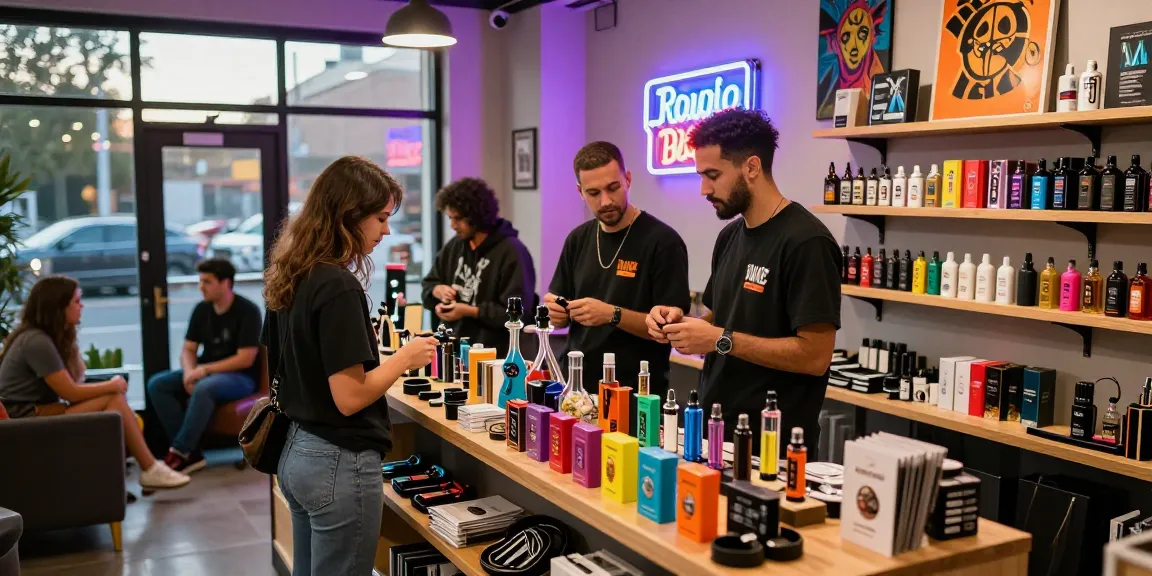
Understanding the Smoke Shop Landscape
The smoke shop industry is undergoing significant transformation as we head into 2026, influenced by changing consumer preferences, regulatory challenges, and technological advancements. As smoke enthusiasts seek more than just products, they look for experiences that resonate with their lifestyle and community. To keep pace with this evolving landscape, smoke shops must stay informed about emerging trends and consumer behaviors. By doing so, they can not only adapt but also thrive in an increasingly competitive market. For further insights, you can explore https://moessmokeshopct.com.
Trends Influencing Smoke Shops in 2026
As we look ahead, several key trends are shaping the smoke shop industry. First, the gradual shift towards health-conscious alternatives has sparked interest in organic and natural products. Many consumers are now prioritizing quality over quantity, favoring brands that emphasize sustainable practices.
Additionally, the rise of technology is creating new shopping experiences. Online sales for smoke shops are expected to increase, with e-commerce platforms providing convenience and accessibility. Furthermore, the growing popularity of subscription services is allowing consumers to explore new products regularly, thus enhancing customer loyalty.
Consumer Preferences: What Shoppers Want
Today's consumers are well-informed and demand transparency from brands. They want detailed information about the products they purchase, including sourcing, ingredients, and sustainability practices. Smoke shops that offer educational resources and product reviews can better meet these consumer expectations.
Moreover, community engagement has become a critical aspect of consumer preference. Shoppers are increasingly supporting local businesses that contribute positively to their neighborhoods, prompting smoke shops to focus on building strong community ties.
The Role of Local Communities in Smoke Culture
Local communities play a vital role in shaping smoke culture. Many smoke shops are finding success by hosting events that foster a sense of belonging and camaraderie among customers. From product launches to educational workshops, these gatherings create opportunities for customers to share their passion while also learning about new trends and products.
Furthermore, collaborations with local artists and businesses can enhance a smoke shop's visibility and appeal. By creating partnerships, shop owners can not only promote their offerings but also contribute to the local culture, establishing a loyal customer base.
Navigating Regulations and Compliance
With the increasing complexity of regulations governing the smoke shop industry, staying compliant is paramount for business success. Shop owners must navigate local, state, and federal laws that vary widely, impacting everything from product safety standards to advertising restrictions.
Current Legal Framework for Smoke Shops
The legal landscape for smoke shops includes regulations on the sale of tobacco and vaping products, which are heavily scrutinized due to health concerns. It is essential for smoke shop owners to stay updated on changes in legislation, such as age restrictions and labeling requirements, to avoid legal pitfalls.
Common Regulatory Challenges and Solutions
One common challenge is the inconsistency of laws between states. Smoke shop owners may find themselves navigating a patchwork of regulations. To mitigate this, many businesses are investing in legal counsel or compliance training to ensure they adhere to all guidelines. Additionally, utilizing technology to track and manage inventory can aid in maintaining compliance with state and federal regulations.
Adapting to Future Legislation Changes
As the regulatory environment continues to evolve, smoke shops must be proactive in adapting their business practices. This may include revising product offerings to comply with new laws or implementing stricter age-verification processes. Engaging with industry advocacy groups can also provide valuable insights into upcoming changes and best practices. By staying ahead of the curve, smoke shops can navigate potential challenges smoothly.
Product Offerings: Trends and Innovations
The product lineup of a smoke shop can significantly impact its success. With shifting consumer preferences, it is crucial for shop owners to curate a collection that reflects current market trends while also anticipating future demands.
Popular Products in the Evolving Smoke Market
In 2026, popular products are expected to include CBD and hemp-derived goods as more consumers explore the health benefits of these alternatives. Additionally, artisanal tobacco products and unique flavor profiles are gaining traction, appealing to a demographic seeking premium experiences.
Vaping products, particularly those with customizable options, are also on the rise. Consumers appreciate the ability to personalize their vaping experience with different flavors and device styles, which can drive repeat business for shops that offer a variety of options.
How to Curate an Engaging Product Lineup
Curating a product lineup that resonates with customers involves understanding market trends and consumer preferences. Shop owners should conduct regular surveys to gather feedback and adapt their inventory accordingly. Creating themed product bundles or seasonal specials can attract attention and encourage exploration of new products.
Additionally, featuring local brands can set a shop apart, fostering community support and brand loyalty while also promoting unique offerings that customers may not find elsewhere.
Emerging Brands to Watch in 2026
Staying informed about emerging brands can provide smoke shops with a competitive edge. As consumers seek new experiences, brands that focus on innovation, sustainability, and quality are likely to emerge as customer favorites.
Identifying and partnering with these burgeoning brands can not only enrich a smoke shop’s product line but also enhance its reputation for offering cutting-edge products that align with contemporary consumer values.
Marketing Strategies for Smoke Shops
Effective marketing is essential for smoke shops to thrive in a saturated market. Crafting a strategy that resonates with target audiences can significantly enhance visibility and drive sales.
Utilizing Social Media for Brand Engagement
Social media platforms provide smoke shops with an invaluable tool for engaging with customers and promoting their offerings. Sharing behind-the-scenes content, product tutorials, and customer testimonials can create a strong online presence and foster a vibrant community. Regular interaction with followers through comments and messages also builds customer loyalty.
Effective In-store Promotions and Events
In-store promotions, such as discounts on new arrivals or loyalty rewards for frequent customers, can encourage repeat visits. Organizing events like tasting nights or guest speaker sessions can create an immersive experience that draws in new customers and retains existing ones.
Building Loyalty Programs for Repeat Customers
Loyalty programs are an excellent way to incentivize repeat purchases. By offering rewards such as discounts, exclusive access to products, or invitations to special events, smoke shops can cultivate long-term relationships with their customer base. An effective loyalty program not only boosts sales but also creates a community of dedicated patrons.
Preparing for the Future: What’s Next for Smoke Shops?
Looking forward to the future, smoke shops must remain adaptable to sustain growth and relevance. By embracing new consumer habits and technological innovations, businesses can position themselves for continued success.
Adapting to Changes in Consumer Behavior
As consumer behavior evolves, smoke shops must be vigilant in adapting their business models. This may involve shifting to an omnichannel retail approach that integrates in-store and online shopping experiences, catering to customers who prefer convenience.
Additionally, personalizing the shopping experience through data-driven insights can help shops better understand customer needs and tailor their offerings accordingly.
Technological Advances in Retail and Boosting Sales
Technology will play a critical role in the future of smoke shops. Implementing point-of-sale systems that track customer preferences and behavior can provide valuable insights. Furthermore, using augmented reality for product demonstrations can enhance the shopping experience and engage tech-savvy consumers.
Expert Predictions for the Smoke Shop Market
Industry experts predict that the smoke shop market will see significant growth as it continues to evolve. By focusing on sustainability, community engagement, and innovation, smoke shops can not only survive but thrive amidst changing regulations and consumer expectations.
In conclusion, smoke shops must embrace the challenges and opportunities of the evolving landscape. By crafting a strategy that aligns with consumer desires and anticipates future trends, smoke shops can secure their place in this dynamic industry.
What types of products are available at smoke shops?
Smoke shops typically offer a wide variety of products, including traditional tobacco, vaping devices, e-liquids, CBD products, and accessories such as rolling papers and pipes.
How can I find the best smoke shop in my area?
Searching online for local smoke shops, reading customer reviews, and asking for recommendations from friends or community forums can help you identify the best options near you.
What are the current regulations for selling vape products?
Regulations for selling vape products can vary by state, but they usually include age restrictions, licensing requirements, and labeling guidelines. It’s important for shop owners to stay informed about local laws to ensure compliance.
How can smoke shops engage with their community?
Smoke shops can engage with their community by hosting events, collaborating with local businesses, and participating in community service initiatives to foster goodwill and strengthen relationships.
What marketing strategies are effective for smoke shops?
Effective marketing strategies include social media engagement, in-store promotions, loyalty programs, and hosting events that draw in customers while enhancing brand visibility.